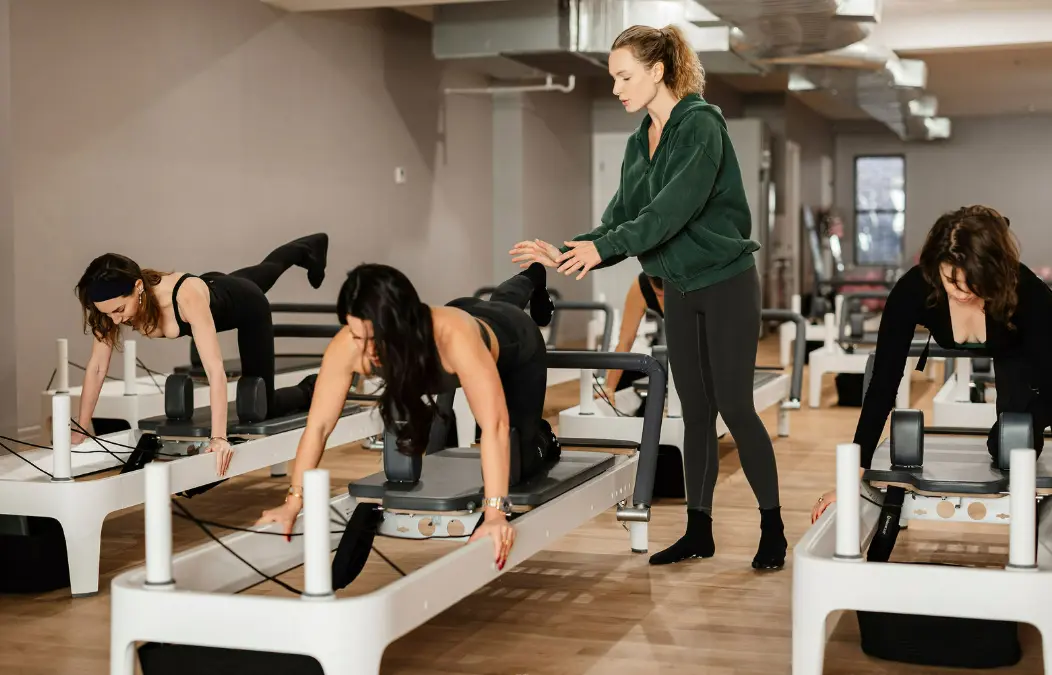
Following childbirth, exercise isn’t typically top of mind for many women. Often it’s small things that stand out instead – like how quickly fatigue settles into the spine, or the way abdominal muscles seem less steady than before.
It might appear when you lift your child, stay on your feet past your usual time, yet also while adjusting how you rest in a chair. Sensations shift slowly – subtle, maybe unnoticed at first. How things feel inside changes, though not loud or sharp.
That’s when the question starts to come up – what is actually safe to do now? And more specifically, is postpartum pilates really worth it, or is it just another gentle option that doesn’t do much?
In reality, the reason so many women turn to postpartum pilates is because it doesn’t rush the process. It works with the body as it is right now.
Pilates after pregnancy focuses on rebuilding support from the inside out – starting with breathing, deep core activation, and small, controlled movements. It may not feel intense, but that’s exactly the point.
For most new moms, especially in the first months, strength isn’t something you push – it’s something you gradually bring back. And that’s where postnatal pilates tends to make the biggest difference.
Why Postpartum Recovery Matters
Most people think healing happens by itself after childbirth. Yet real healing rarely follows a straight path.
Baby growing means the midsection lengthens slowly. Pressure stays on the pelvic muscles, always there. Weight shifts change how you stand, little by little. All of this happens gradually – which is why the effects often stay after birth too.
What many women notice first isn’t a “problem,” but a change in how the body feels:
- less support through the core
- occasional lower back discomfort
- fatigue in the shoulders or neck
- a sense that movements are stable than before
There’s also the fact that the deeper muscles – the ones responsible for stability – don’t always engage properly right away. When this occurs, the body shifts into adjustment mode. Discomfort tends to appear around then, often without warning.
Some women deal with diastasis recti, affecting core workouts differently. This doesn’t demand intense fixes every time, yet calls for gentler methods instead.
This moment matters because healing after birth focuses less on speed, instead building strength slowly over time.
A new kind of movement kicks in after birth – pilates shaped around it. Instead of jumping into full workouts, you’re rebuilding coordination, reconnecting with the core, and supporting pelvic floor recovery at a pace that actually makes sense for the body.
And once that base is there, everything else – strength, endurance, even confidence – tends to follow much more naturally.
Read more: How often should you do Pilates
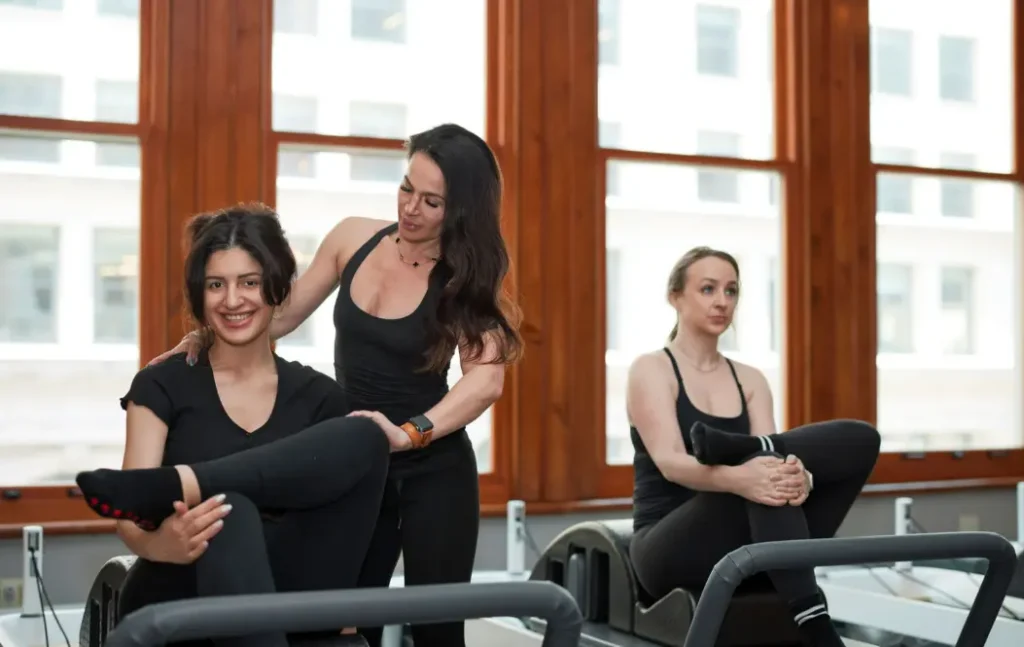
How Pilates Supports Your Body After Birth
Pilates thrives on exactness, where each motion follows a clear path. Breath leads the way, shaping how positions link together.
Postnatal pilates focuses on:
- Controlled, low-impact movement
- Breath coordination
- Deep muscle engagement
- Stability before intensity
This makes it ideal for pilates after giving birth, when your body needs support – not stress.
Rebuilding Core Strength
Deep inside, postpartum pilates builds strength where it counts most. Not just the outer muscles, but the layer beneath gets attention through careful movement. This inner band – the transverse abdominis – tightens gently, almost like support woven into your frame over time.
Things keep moving without hiccups – that’s why this plays a role:
- Rebuilding core strength after pregnancy
- Supporting the spine
- Preventing injury
Stronger Pelvic Floor Muscles
Built into the body’s core, the pelvic floor keeps everything balanced when you move around. This hidden layer works quietly through daily activities. Stability often depends on how well this group of muscles does its job. Weakness here can lead to:
- Urinary leakage
- Pelvic instability
- Reduced core control
Starting with slow motion, pelvic floor pilates restores power through smooth patterns. A quiet rhythm links each pose to support healing quietly. From subtle shifts comes steady progress, guided by breath instead of force. Strength grows where movement flows without pressure or rush.
Improving Posture and Stability
Baby care means your neck takes strain – often from lifting, cradling, or leaning during meals. Shoulders bear weight each time you reach down or lift up. Lower back tightens when posture slips mid-task.
Pilates for new moms helps:
- Realign posture
- Reduce back pain
- Improve overall stability
“Postpartum isn’t about pushing harder – it’s about moving smarter. When we rebuild stability first, strength naturally follows.”
— BK Pilates Instructor
When Can You Start Pilates After Giving Birth?
General guidelines:
- 6 weeks after vaginal delivery
- 8–12 weeks after a C-section
- Only after medical clearance
However, every body is different. Recovery depends on your pregnancy, delivery, and current condition.
Early-stage postpartum pilates should focus on:
- Breathwork
- Gentle core activation
- Pelvic floor engagement
This phase is not about intensity – it’s about reconnection.
If you’re wondering “is pilates safe after pregnancy?”, the answer is yes – when guided and adapted properly.
| Stage | Timeframe | What Your Body Needs | Recommended Pilates Focus |
| Early Recovery | 0–6 weeks | Healing, rest, tissue recovery | Breathwork, gentle awareness (no formal workouts) |
| Initial Activation | 6–12 weeks | Core reconnection, pelvic floor engagement | Light postpartum pilates, breathing, basic activation |
| Strength Rebuilding | 3–6 months | Stability, posture correction | Pilates after pregnancy, reformer support, low resistance |
| Progressive Strength | 6–12 months | Strength, endurance, confidence | Full-body postnatal pilates, increased intensity gradually |
Read more: Pilates for Stress Relief
Why Reformer Pilates Is Ideal for Postpartum Recovery
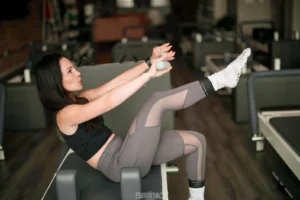
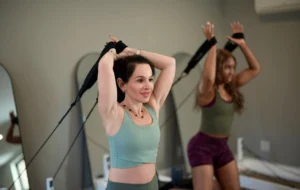
Reformer pilates postpartum offers a unique advantage: support.
The reformer machine uses springs and resistance to guide movement, making exercises:
- More controlled
- Adjustable in intensity
- Safer for recovery
This is especially important for reformer pilates after childbirth, where stability matters more than effort.
Key benefits:
- Supports weakened muscles
- Reduces strain on joints
- Allows gradual progression
- Helps maintain proper alignment
Compared to mat workouts, reformer pilates after pregnancy provides feedback and control, which is crucial in early recovery.
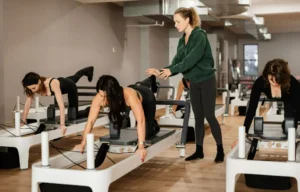
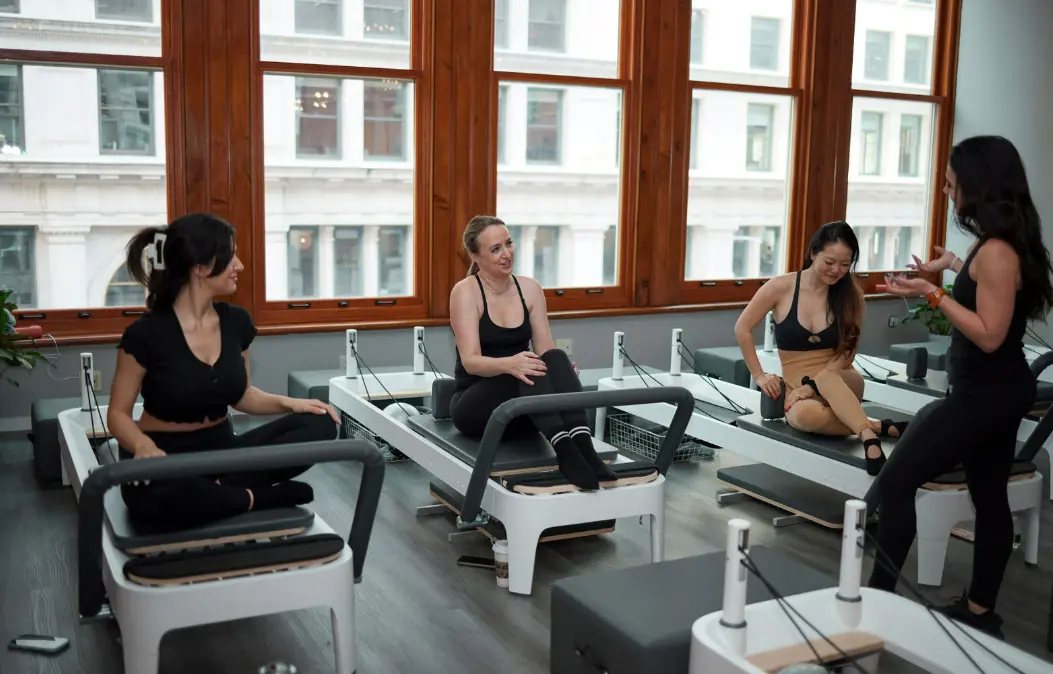
At BK Pilates, sessions are designed to meet you where you are – not where you “used to be.”
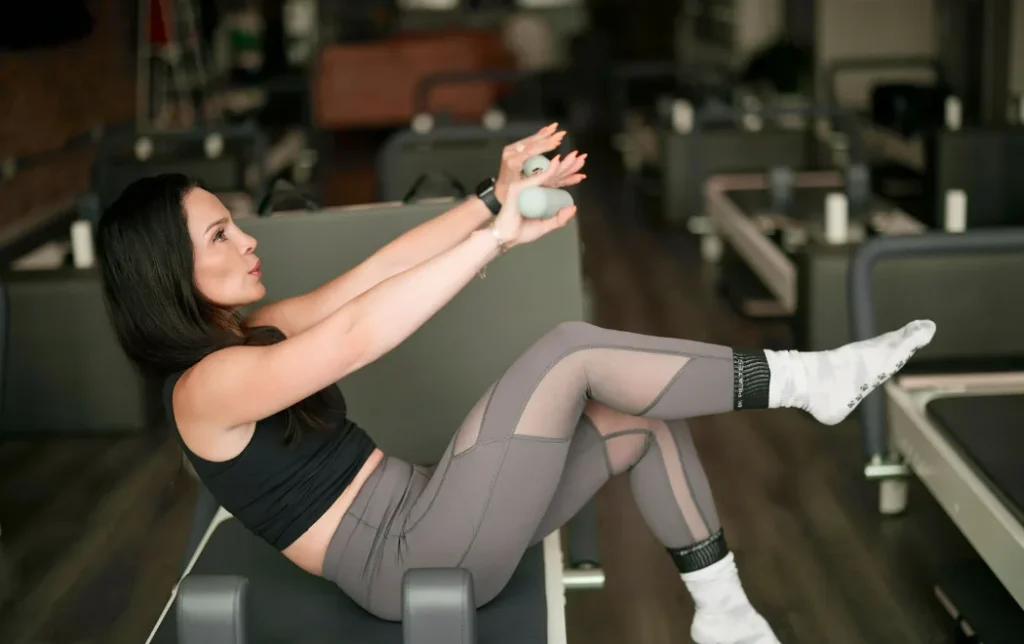
Common Postpartum Challenges Pilates Can Help With
Diastasis Recti
Pilates for diastasis recti recovery focuses on reconnecting and strengthening the deep core muscles without putting pressure on the abdominal wall.
Instead of crunches, movements emphasize:
- Stability
- Controlled engagement
- Breath-led activation
Lower Back Pain
A weak core often leads to postpartum back pain.
Pilates helps:
- Stabilize the spine
- Improve posture
- Reduce daily strain
Pelvic Floor Weakness
Symptoms may include:
- Urinary leakage
- Reduced core support
Slowly building strength here, pelvic floor pilates boosts how well things work while also raising self-assurance. Though gentle at first, it creates steady gains over time without strain or pressure weighing on daily life.
“I was scared to exercise after birth. Pilates helped me feel strong again – without pain or pressure” – BK Pilates Client
New Mom Starting Pilates
Pilates can feel manageable when you begin after having a baby. Staying calm and focused makes all the difference.
Practical tips:
- Start slowly – your body is still healing
- Avoid high-impact workouts early on
- Focus on breath and control
- Work with a qualified instructor
- Start somewhere else before even thinking about crunches
Sticking with it brings most results, not how hard you push. Once or twice each week builds slowly but keeps moving forward. What matters is showing up when it feels ordinary.
Pilates Helps You Feel More Connected to Your Body
Suddenly, a hand feels foreign during morning routines. Movements tilt slightly off balance, like an old rhythm forgotten. Confidence drifts – quietly – midway through diaper changes. Posture leans where it never did before, almost unnoticed.
Postpartum pilates offers more than physical recovery.
It helps you:
- Rebuild body awareness after pregnancy
- Reduce stress through mindful movement
- Feel strong – not just “back to normal”
This is where transformation really happens.
Instead of chasing your old body, you start building a new relationship with it – one based on strength, control, and trust.
FAQ
Can Pilates help with diastasis recti?
Right – though just if handled the right way. Movement flows slow, never pushing hard on the midsection. A quiet reset happens inside, slowly waking up inner stomach muscles. That gentle activation? It matches perfectly with how bodies heal after diastasis.
Reformer Pilates Safety After Pregnancy?
Frequently, that holds true. The machine gives extra stability, leading to smoother motions, sometimes even safer ones compared to relying solely on floorwork – particularly at first.
How often should you do Pilates postpartum?
Some days rest help just as much as movement. Most women find two or three times weekly fits their rhythm. Still, showing up one day each week shifts things – when it happens regularly.
Is Pilates better than gym workouts after birth?
Early on – definitely. Your body needs stability before intensity. Pilates builds that foundation, while many gym workouts skip straight to weight.
Can beginners start Pilates after pregnancy?
Yes, and many do. You don’t need previous experience – just the right guidance and a program that understands postpartum recovery.
Start Your Postpartum Pilates Journey
At BK Pilates, we understand that recovery is personal.
Our approach to postpartum pilates includes:
- Guided reformer sessions
- Small, supportive classes
- Personalized modifications for every stage
Three months or twelve – your body still needs time to heal. Strength returns when care comes first. A gentle approach works better than rushing back. Recovery isn’t about speed but consistency. Safe movement builds trust with your body again.
A fresh session waits – claim it now, begin reshaping strength day by day. Step into motion, trust grows with every move.
Healing grows when a skilled hand leads the way while you move with purpose. Each step follows quiet attention instead of force.