Pilates for back pain comes up constantly in our studios, usually from someone who’s already tried stretching, foam rolling, or just waiting it out, and wants to know if this is actually going to help or just be one more thing that doesn’t work. The honest answer: yes, for most types of back pain, Pilates genuinely helps — it strengthens the deep stabilizing muscles around your spine, improves posture, and builds the kind of core control that takes pressure off an aching lower back. It’s not a cure-all, and for certain conditions you’ll want to loop in a doctor or physical therapist before starting, but for the everyday tightness, weakness, and poor-posture-related pain most people deal with, Pilates is one of the more evidence-backed options out there.
Can Pilates Help Back Pain? What’s Actually Happening
Does Pilates strengthen your back? Yes — and that’s really the mechanism behind most of the benefit. A lot of back pain, especially the chronic, nagging kind, comes from weak or imbalanced core muscles that force your lower back to compensate for stability it’s not built to provide on its own. Pilates specifically targets the transverse abdominis, multifidus, and pelvic floor — the deep stabilizing muscles that, when weak, leave your spine doing more work than it should.
Can Pilates help back pain that’s been around for years, not just a recent tweak? Often, yes, though the timeline is usually gradual rather than immediate. Building that deep core strength takes consistent practice, typically several weeks before people notice a real shift in how their back feels day to day.
Is Pilates Good for Back Pain, or Could It Make Things Worse?
Is Pilates good for back pain across the board? Mostly, but not universally, and this distinction matters. Done correctly, with appropriate modifications, Pilates is truly one of the safer exercise options for an aching back because movements are slow, controlled, and low-impact. Done incorrectly — pushing into movements that aggravate a specific injury, or skipping modifications because you don’t want to feel like you’re “doing less” than the class around you — it can absolutely make things worse.
This is exactly why telling your instructor about existing back issues before class matters so much. A private session is often the smartest way to start if you’re dealing with anything beyond mild, general tightness, since it lets an instructor build a routine around your specific situation rather than adapting on the fly in a group setting.
Pilates for Lower Back Pain vs. Upper Back Pain
Back pain isn’t one single problem, and where it shows up changes what actually helps.
Pilates for Lower Back Pain
Pilates for lower back pain is probably the single most common reason people come to us with this question, and it makes sense — lower back pain is often directly tied to weak core stabilizers and tight hip flexors, both of which Pilates addresses directly. Exercises that engage the deep core without straining the spine (think pelvic tilts, bird dogs, and controlled bridging) tend to be the starting point most instructors reach for.
Pilates for Upper Back Pain
Pilates for upper back pain usually traces back to something different — posture, especially the forward-hunched position that comes from sitting at a desk or looking down at a phone all day. Pilates work targeting the upper back and shoulders, combined with chest-opening stretches, tends to address this more directly than core-focused lower back work alone.
Pilates for Sciatica
Pilates for sciatica is a common question, and the short answer is that it can meaningfully help, but with real caution around which movements you’re doing. Sciatica — nerve pain radiating from the lower back down through the leg — often responds well to gentle core strengthening and hip mobility work, since a lot of sciatic irritation stems from tight piriformis muscles or an unstable pelvis. That said, certain forward-flexion movements can aggravate sciatic pain rather than help it, so working with an instructor who knows to avoid or modify those specific exercises matters more here than with general back pain.
Reformer Pilates for sciatica specifically tends to work well because the equipment provides support through the full range of motion, letting you build strength without the same spinal loading you’d get from unsupported floor work.
Pilates for Herniated Disc: What’s Actually Safe?
Pilates for herniated disc is where we always recommend getting a green light from your doctor or physical therapist first, since herniated discs vary enormously in severity and location, and what’s safe for one person’s herniation could easily aggravate someone else’s.
Can you do Pilates with a herniated disc? Often yes, once you have medical clearance — Pilates is frequently recommended as part of a recovery plan precisely because it builds the core stability that takes pressure off the affected disc. But this is not a “figure it out yourself in a group class” situation. This is exactly the kind of case where a modified, one-on-one approach matters, and it’s worth mentioning your diagnosis clearly before your first session so movements can be adjusted from the start.
Pilates for Scoliosis
Pilates for scoliosis has a fair amount of research behind it, and the general consensus among physical therapists is that it can help manage symptoms, improve muscular balance around the curve, and support better posture — though it won’t reverse or “correct” the curvature itself. Instructors experienced with scoliosis typically focus on asymmetrical exercises that address the specific muscular imbalances a curved spine creates, rather than a generic symmetric routine.
Reformer Pilates for Back Pain: Why It’s Often the Starting Recommendation
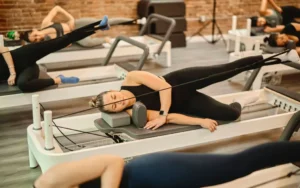
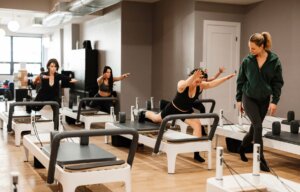
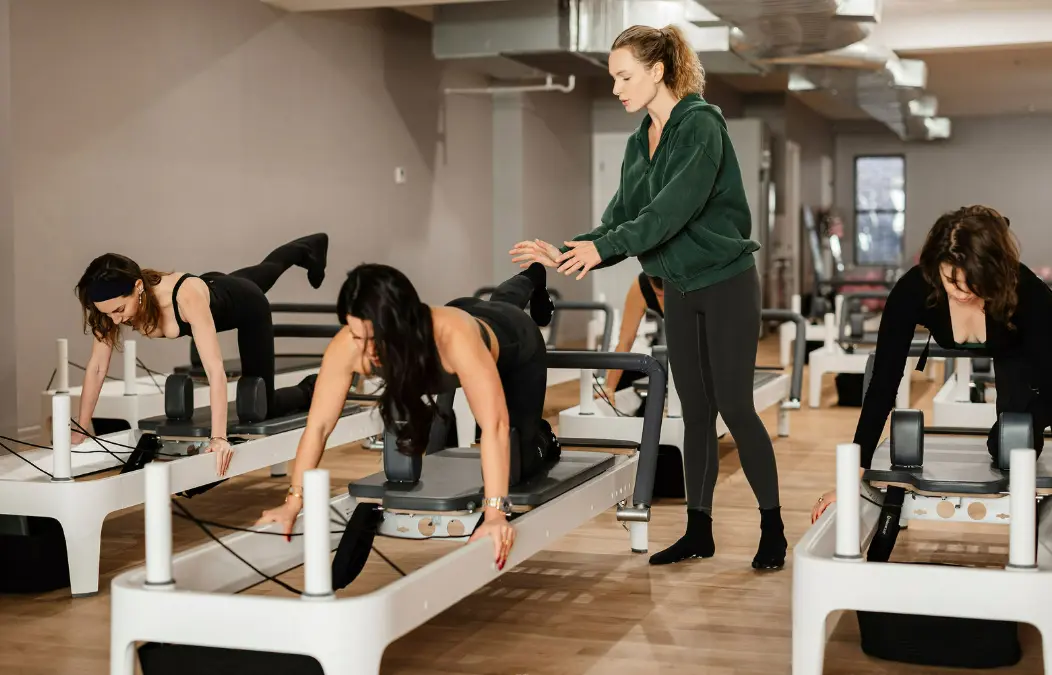
Reformer Pilates for back pain tends to come up as a recommendation more than mat work for a specific reason: the spring resistance and carriage support let you build strength through a controlled, supported range of motion, without the same compressive load on your spine that some floor-based exercises carry. Is reformer Pilates good for lower back pain specifically? Generally, yes — the support from the equipment makes it easier to isolate and strengthen the right muscles without accidentally overloading an already irritated lower back.
Pilates for Chronic Back Pain: What Realistic Relief Looks Like
Pilates for chronic back pain isn’t usually about one dramatic fix — it’s about steady, cumulative change. Pilates for back pain relief tends to show up gradually: less stiffness getting out of bed, an easier time sitting through a full workday, fewer flare-ups after normal activity. Most people practicing consistently, two to three times a week, start noticing this kind of shift within four to six weeks, though chronic pain that’s been present for years often takes longer and benefits from pairing Pilates with other care, like physical therapy.
Pilates or Yoga for Back Pain: Does It Matter Which You Choose?
Pilates or yoga for back pain is a question we hear often, and honestly, both can help, just through slightly different mechanisms. Pilates builds the deep stabilizing strength that supports your spine directly; yoga improves flexibility and releases tension, particularly in tight hips and hamstrings that often contribute to lower back strain. Plenty of people do both. If your back pain is more about weakness and instability, Pilates is usually the more direct route; if it’s more about chronic tightness, yoga’s stretching focus might get you there faster.
Types of Back Pain Pilates Tends to Help Most
- Postural back pain from desk work or phone use, especially in the upper back and neck
- General lower back weakness from a sedentary lifestyle or inconsistent activity
- Pregnancy-related back pain, with appropriate modifications for each trimester
- Post-injury stiffness, once cleared by a doctor for gentle movement
- Sciatica-related tightness, particularly tied to the hips and piriformis
- Age-related core weakness that’s started affecting balance and everyday movement
Best Pilates Exercises for Back Pain
- Pelvic tilts — a gentle entry point that teaches core engagement without straining the spine
- Bird dog — builds stability through the core and lower back while improving balance
- Cat-cow — mobilizes the spine gently through flexion and extension
- Bridging — strengthens glutes and lower back while keeping the spine in a neutral, supported position
- Spine stretch — improves flexibility along the full length of the back without aggressive loading
- Modified hundred (with knees bent, feet down) — builds core endurance without the strain of the full version
These are a starting point, not a prescription — the right combination depends heavily on where your pain is coming from, which is exactly why working with an instructor matters more here than with a general fitness goal.
When to Check With a Doctor First
- You have a diagnosed herniated disc, spinal stenosis, or another structural spine condition
- Your pain radiates down one or both legs, or comes with numbness or tingling
- You’ve had recent back surgery and haven’t been cleared for exercise yet
- Your pain is sudden, severe, or came with a specific injury rather than gradual onset
- You have scoliosis and haven’t discussed exercise modifications with a physical therapist
If any of these apply, it’s worth getting clearance before booking, and mentioning it upfront so your session can be built around it from the start. Our Chelsea studio regularly works with clients managing exactly these kinds of conditions, and instructors there are used to adjusting a full class plan around a specific diagnosis.
Frequently Asked Questions
Can Pilates help back pain, or is it just for flexibility?
Pilates helps back pain primarily by strengthening the deep core muscles that stabilize your spine, which reduces the compensatory strain that often causes chronic lower back discomfort. It improves flexibility too, but the strength component is what makes the biggest difference for most people.
Is Pilates good for back pain if I’ve never done it before?
Yes, Pilates is generally beginner-friendly for back pain, especially with instructor guidance and appropriate modifications. Starting with a private session is often the smoothest way to begin if your pain is more than mild or general.
Is Pilates good for lower back pain specifically?
Yes, lower back pain is one of the conditions Pilates addresses most directly, since it’s frequently tied to weak core stabilizers and tight hip flexors, both of which Pilates work targets.
Can you do Pilates with a herniated disc?
Often yes, once you’ve been cleared by a doctor or physical therapist, since Pilates can support recovery by building the core stability that takes pressure off the affected disc. This isn’t something to figure out on your own in a group class, though.
Does Pilates help sciatica?
Yes, in many cases, particularly through hip mobility and core strengthening work, though certain movements can aggravate sciatic pain rather than help it, so instructor guidance matters here more than with general back pain.
Is reformer Pilates better than mat Pilates for back pain?
Reformer Pilates for back pain is often recommended over mat work because the equipment provides support through a controlled range of motion, reducing spinal load while still building real strength.
Should I do Pilates or yoga for back pain?
Both can help, just differently — Pilates builds core strength that stabilizes the spine, while yoga improves flexibility and releases tension. Many people combine both for a more complete approach.
How long does it take for Pilates to help chronic back pain?
Most people notice a meaningful shift within four to six weeks of consistent practice, two to three times a week, though pain that’s been chronic for years often takes longer and benefits from combining Pilates with other care.
Ready to Build a Routine Around Your Back?
Back pain is personal enough that a generic class plan rarely fits perfectly — the right exercises really do depend on where your pain is coming from and what’s already been ruled out. If you’ve got a specific diagnosis or a pattern of pain that’s been sticking around, mention it when you book, and check out our class schedule for a time that works before your back has a chance to talk you out of it.