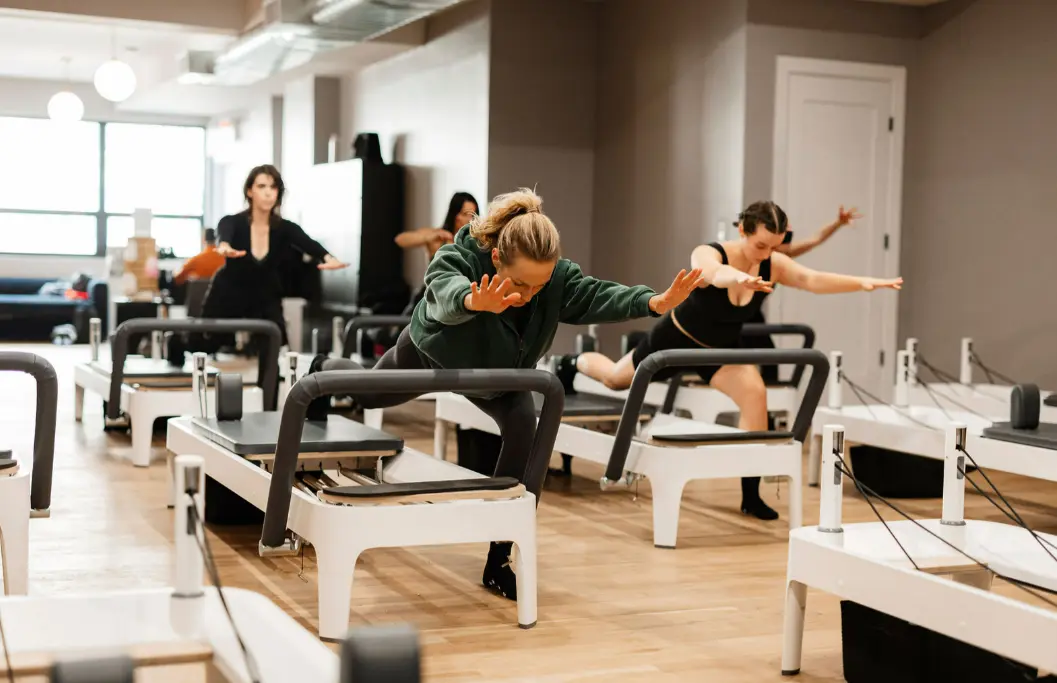
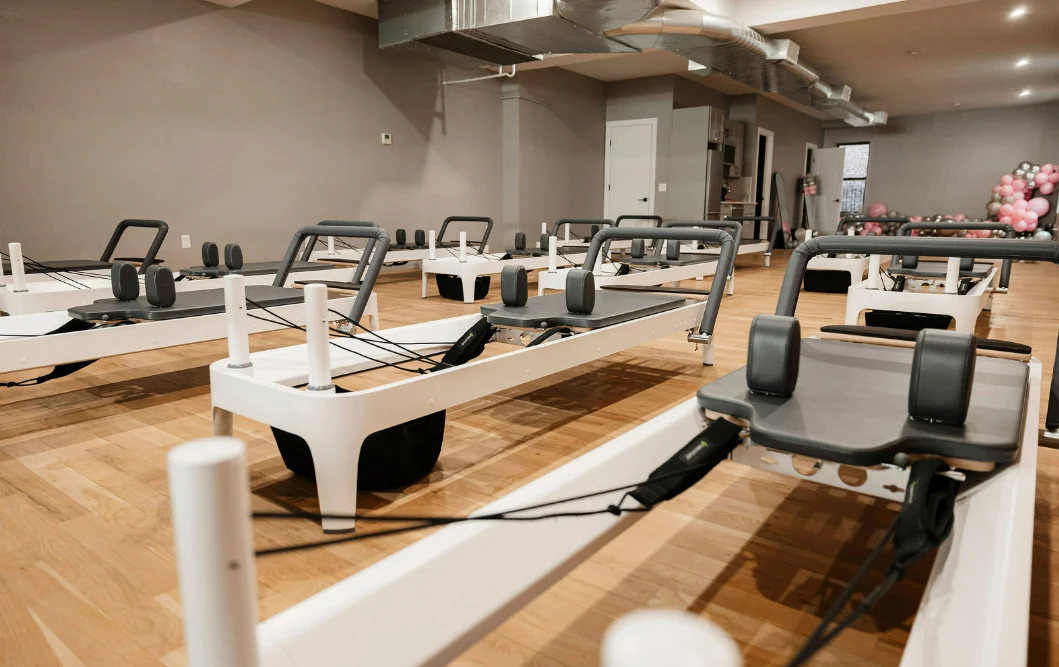
Pilates functions are hardly ever visited as all feels so good.
It usually starts small perhaps a lower back stiffness from sitting all day at work, nagging shoulder tension and the creeping realization that your body isn’t as supple as it used to be.
After a few sessions, another question inevitably arises: how often should you do Pilates to see results?
At BK Pilates, we hear this question all the time. The reassuring truth is that Pilates doesn’t require daily workouts or extreme discipline to be effective. For most people, two to three sessions per week is enough to see and feel real results – if those sessions are consistent and well-structured.
The Short Answer Most People Are Looking For
If you want a clear starting point, here it is:
- 2–3 times per week – optimal for most people
- 3–5 times per week – possible for specific goals or advanced practice
- 1–2 times per week – still beneficial, especially for beginners
Pilates rewards regularity. Doing a little, consistently, works better than doing a lot sporadically.
What Actually Determines How Often You Should Do Pilates?
There isn’t one perfect schedule, because bodies – and lives – are different. Several factors matter more than people expect.
Your experience level
Beginners typically need to do less, not more, when they’re starting out. Moving well is a skill that takes time and practice to learn.
The type of Pilates you practice
The Pilates method you’re doing Reform Workouts works the body in a different way when you do Reformer Pilates rather than Mat Pilates. Sessions on a reformer are generally harder and often take more recovery.
Your main goal
The top aim Strength training, flexibility practice, recovery work or stress reduction all call for slightly different paces.
Everything else you do
All the other stuff you do Pilates is most effective when it supports your overarching movement routine – not when it competes against intense workouts, long runs or an overstressed schedule.
This is why at BK Pilates, frequency is always a conversation – not a rule.
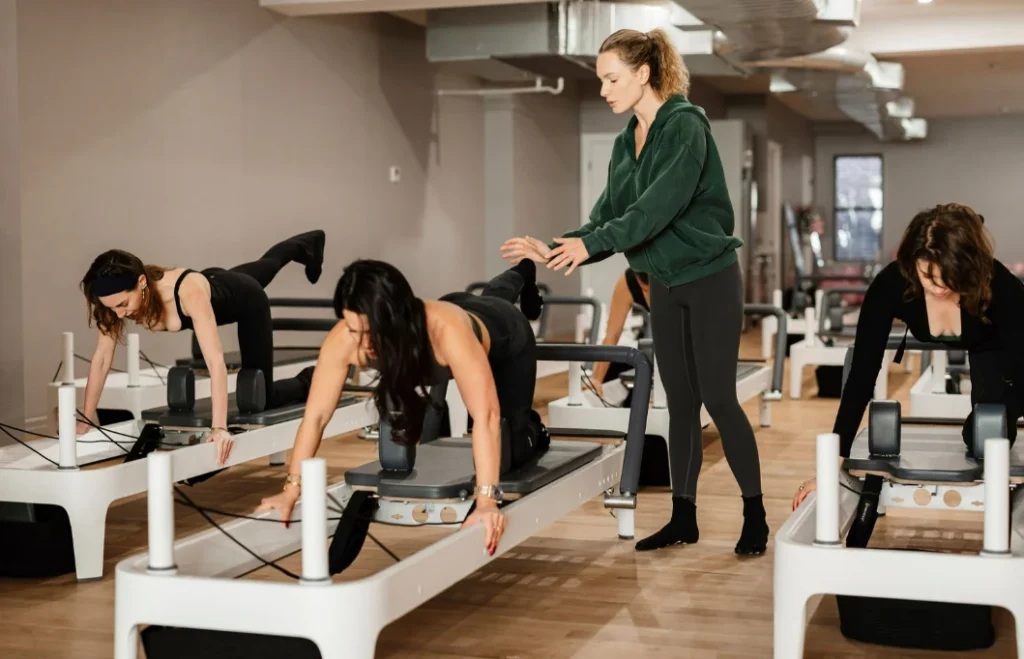
How Often Should Beginners Do Pilates?
If you’re new, starting slowly is not a setback – it’s an advantage.
Most beginners do best with:
- 1–2 sessions per week at the start
- gradually increasing to 2–3 sessions per week after a few weeks
Even once a week can enhance early mobility, posture and function. The most important things at this point are that you’re learning good technique, breath control, and alignment.
“When someone is just starting, we would rather see them come twice a week regularly than try to take on everything at once”
– BK Pilates Instructor
How Often to Do Pilates to See Results
Pilates doesn’t usually create dramatic changes overnight – and that’s part of why the results last.
Most clients notice:
- after 2–3 weeks: better posture, more stability, less everyday tension
- after 6–8 weeks: visible changes in tone, alignment, and overall movement
Having Pilates practice two to three times a week is sufficient for reaching this stage. Even faster results can be achieved with the help of a Pilates reformer. But you need to allocate time for recovery between classes.
How Many Times a Week Should You Do Pilates for Different Goals?
Strength & Muscle Tone
For increased strength without adding size, it is usually optimal to train thrice a week.
Combining Reformer and Mat classes gives best balanced results. This approach is especially effective for people who place repetitive stress on the body, such as runners looking to build strength without bulk and protect their joints.
Flexibility & Mobility
In your focus being able to move more freely, you can do your Pilates workouts between two and four times a week, particularly if control and breathing are emphasized over effort.
Weight Loss Support
Sport Pilates is not a high-calorie-burning physical activity; besides that, it is a highly useful support activity.
It is necessary that these exercises are practiced thrice or five days a week in order to see progress in correcting the posture, muscle engagement, stress, and awareness, which further leads to weight-related issues. You can read more in this article.
Back Pain or Rehabilitation
In situations where one may be experiencing lower back pain and in the healing process following injury, the ideal number of sessions comprising low-impact exercises per week would be two to three sessions at most.
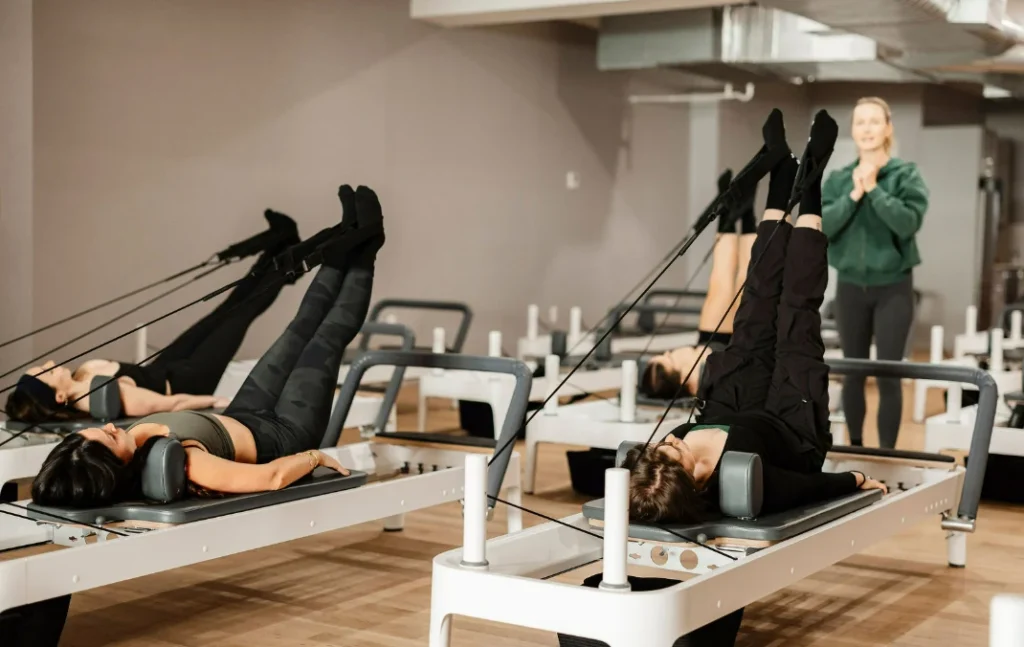
How Often Should You Do Reformer Pilates?
Reformer Pilates delivers faster results, but it’s also more demanding.
For most people:
- 2 times per week – steady, sustainable progress
- 3 times per week – quicker strength gains
- 4-5 times per week – typically only for advanced practitioners, mixed with Mat or Stretch classes
Doing intense Reformer sessions every day rarely leads to better outcomes.
Can You Do Pilates Every Day?
Yes – if the sessions are varied.
Daily works best when you alternate:
- strength-focused classes
- mobility or stretch-based sessions
- slower, restorative work
The goal isn’t to push every day, but to keep the body moving intelligently.
Sample Weekly Pilates Schedules
| Experience Level | Suggested Routine |
| Beginner | 2 sessions per week |
| Balanced Practice | 3 sessions per week |
| Performance-Focused | 4-5 sessions per week |
At BK Pilates, we help clients adjust these templates based on their schedules, stress levels, and physical needs.
What Clients Often Tell Us
“After about a month of doing Pilates twice a week, my posture changed without me even thinking about it.”
– Client, BK Pilates NoMad“Three Reformer classes a week felt like the perfect balance — challenging but never exhausting.”
– Client, Park Slope
FAQ:
Is Pilates effective if I just go twice a week?
Absolutely – and often, this is the most sustainable schedule for many individuals to stick to. Having two sessions a week will give the body time to build and adjust and will not completely overload it. Classes will also benefit if this schedule is sufficient to see positive impacts in terms of posture and movement.
How long should I practice Pilates before increasing frequency?
It is most likely beneficial for most individuals to give themselves a period of three to four weeks before adding another workout. This allows one’s nervous system time to adapt to new motor patterns in the body. Also, when workouts no longer seem mentally taxing, it is likely time to add more frequency.
Can you safely perform Reformer Pilates on multiple days a week?
Progress in Pilates isn’t fragile. You don’t lose everything after an interruption. When you go back, more of it sticks than you think. It’s imperative to ease back into it rather than trying to play catch-up for missed sessions.
What happens if I skip a week or take a break?
Pilates progress isn’t delicate. You won’t find yourself starting from zero if you stop for a brief moment. Your body will remember more than you think when you start back.
The Bottom Line
Then comes the next question: exactly how often one needs to perform Pilates?
However, for the average person, two to three times per week remains the ideal target for now. It’s still a regular frequency to make a difference yet easily doable even with a tight schedule.
Pilates doesn’t benefit you by doing it harder. But it benefits you by being consistent enough to notice and allowing small changes to compound. When it integrates seamlessly into your schedule and routine. The positive effects will often reach well past the Pilates studio and affect things like standing, walking, and even breathing.