Does Pilates help you lose weight? Yes – but it’s not a quick fix.
Suppose you’re expecting to burn a ton of calories in one class. Pilates probably won’t feel that way. Pilates is slower and more controlled. Sometimes it seems very easy. That does not mean Pilates is not effective.
Read more: Learn Pilates basics.
Does Pilates Help You Lose Weight??
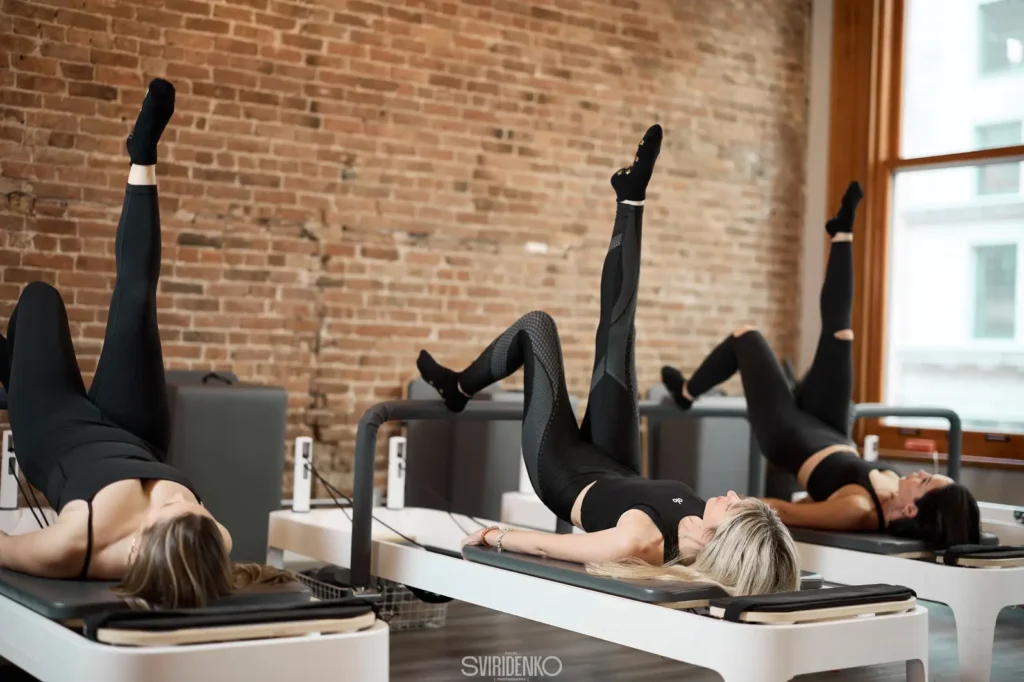
Is Pilates actually helping you shed pounds? Growing lean muscles leads to an enhanced metabolism; the study says a fit person with 100 pounds of lean muscle burns 15% more calories (2024). It tones your body and tightens posture, essential for that slender NYC look. Unlike cardio exercise that burns immediate calories, Pilates contributes to steady fat burning through strength. Classes are held three times in a week for clients to get results at BKPilates.
How Does Pilates Help Support Weight Loss?
- It builds muscles that enhance the metabolism.
- It firms up the posture for the leaner frame.
Read more: Explore reformer benefits.
How Many Calories Does Pilates Burn?
According to a 2024 study, Reformer Pilates burns 300 to 400 calories per hour.
A 150-pound person would burn from 250 to 450 calories in one hour of Reformer Pilates. It depends very much on the intensity of the workout:
- at lower intensity, somewhere between 250 and 300 calories,
- moderate intensity from 300 to 375 calories,
- and an intense ramp-up of exercises might burn up to 450 calories in an hour.
The factors affecting calories burn are complexity of movement, speed, number of muscles engaged, and overall fitness level. Reformer Pilates promotes slow, controlled movements using resistance: it is an excellent low-impact workout suitable for strengthening bodies and improving flexibility and burning calories.
Factors Influencing Burn:
- Intensity (light vs. vigorous).
- Body weight (more = higher burn).
Read more: Dive into calorie details.
Pilates vs. Other Weight Loss Workouts
Not exactly – they serve different purposes.
Cardio burns more calories during the workout, while Pilates builds the strength and muscle that support long-term fat loss.
For best results, combining both is the most effective approach.
“Pilates sets you up for other workouts,” says trainer BK Pilates.
Pilates vs Cardio: What’s the Difference for Weight Loss?
| Factor | Pilates | Cardio |
| Calories burned | 250–450 per hour | 400–600 per hour |
| Main focus | Strength & muscle tone | Calorie burn |
| Fat loss | Gradual, long-term | Faster, short-term |
| Injury risk | Low | Medium to high |
| Best use | Body shaping & sustainability | Quick calorie burn |
The Role of Diet in Pilates and Weight Loss
Can you lose weight with Pilates without changing your diet?
It’s possible, but results will be slower.
To support weight loss, focus on:
- eating enough protein
- staying hydrated
- avoiding extreme calorie restriction
Pilates works best when combined with consistent, balanced nutrition.
What results can you expect from Pilates?
Most people notice:
- improved posture and strength within 3–4 weeks
- visible toning in 6–8 weeks
- gradual weight loss over several months
The biggest change is often how your body looks and feels – not just the number on the scale.
How to Start Pilates for Weight Loss
Try Pilates for weight loss with BK Pilates $29 intro session — reformer, no experience needed. Aim for 2-3 sessions weekly. Start your Pilates journey today.
The Concept of Weight Loss Having a Mind & Body Connection
Weight loss isn’t only about pushing yourself harder; it’s also about how you deal with stress and become recoverable after a workout. In Pilates, the body utilizes the nervous system instead of working against it, allowing you to settle down, move with better control of your body, and use your energy more efficiently.
Breathing is an important part of the awareness factor. In Pilates, breathing helps you reach the highest amount of freedom of moving while at the same time providing a means of releasing tension. Many people report that once they consciously use their breath, they become much calmer during workouts and less “on” after workouts. In time, this ability to breathe properly may enhance how our bodies react to both exercise and the daily stresses of life.
As you keep practicing your awareness, you may find that this awareness carries forward outside of the studio — this can be represented in how you move, recover after workouts, and keep your schedules consistent, which leads to feeling less drained.
Summer Fit: Pilates for NYC Weight Loss Goals
The inching arrival of summer sees the age-old question: can Pilates help you lose weight? Pilates at BKPilates offers toning for your abs to get you confident for the beach while burning around 300 to 400 calories in a reformer class-great for shedding those extra few pounds before the season sets in. Combine your workouts with light salads and loads of water to shed those extra pounds.
FAQ Section
Is Pilates really good for losing weight?
It can be, yeah. Not because it’s the highest calorie burner, but because people are more likely to stay with it longer. Usually this is what makes Pilates work for weight loss.
How many calories can one burn doing Pilates?
On average, Reformer Pilates burns around 300–450 calories per hour, depending on workout intensity. More calorie burn means more results in less time when combined with a good diet.
Is Pilates superior to cardio for losing weight?
Cardio is so good for working off calories fast — close to 600 per hour — but what Pilates does is very gradual and sustainable weight loss by toning muscles and improving posture. It works best in tandem with cardio.
Can Pilates help out beginners wanting to lose weight?
Yes! Our introductory $29 Pilates classes are beginner-friendly and adaptive to varying fitness levels. Just 2–3 sessions per week will begin to improve your posture and core strength and visibly tone your body in 6–8 weeks.
Can stress affect weight loss?
Yes. Fat storage shifts when stress sticks around too long. The body struggles to let go of extra weight under constant pressure. Appetite signals get thrown off course without relief.
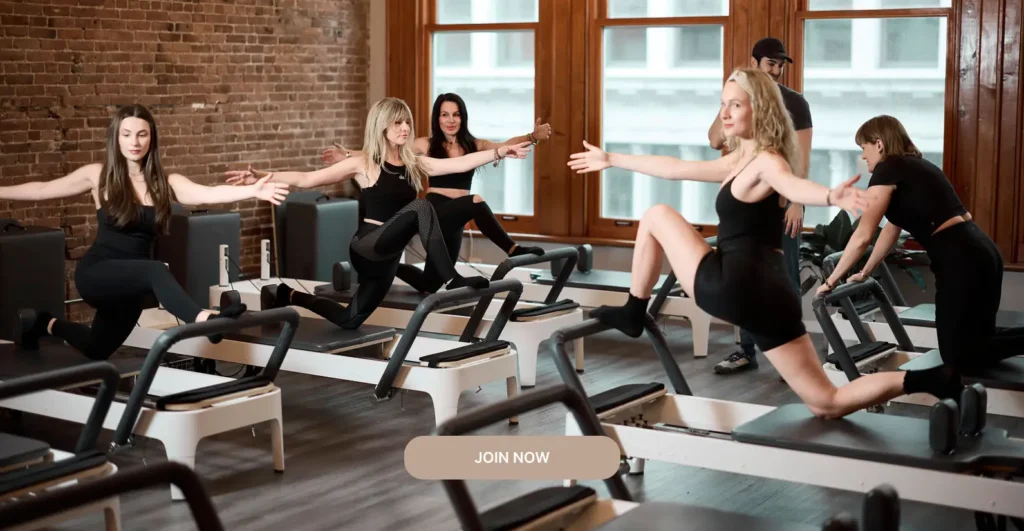
Ready to get stronger and feel the difference?
Try beginner-friendly reformer Pilates classes at BK Pilates Flatiron, NoMad, Park Slope, Chelsea or South Brooklyn. No experience needed – just show up and start moving.
Book your first session and see how Pilates can support your fitness goals.