If you’ve just started Pilates, or you’re thinking about it, the question that comes up almost immediately is how often should you do Pilates to actually notice a difference. The short version: most people see real change with two to three sessions a week, though the honest answer depends on what “results” means to you — strength, posture, weight loss, or flexibility all move at slightly different speeds. There’s no single magic number that works for everyone, but there is a range that consistently shows up in what we see with clients across our studios, and it’s worth breaking down by goal instead of guessing.
How Many Times a Week Should You Do Pilates?
This is the question we get asked more than almost any other, and the honest answer is: it depends on your starting point and your goal, but two to three times a week is the sweet spot for most people. There’s no single rule for how often to do Pilates to see results — it shifts based on your body and your goal — but that two-to-three range is where most people land. Fewer than that, and progress tends to feel slow — your body doesn’t have enough repetition to really build the muscle memory and strength that make Pilates effective. More than four or five sessions a week, and you’re often not gaining much extra benefit unless you’re specifically training for something (like a performance or event) — your muscles need recovery time just like with any strength training.
A lot of clients phrase it as “how many days a week should I do Pilates,” which really comes down to your schedule as much as anything else. A lot of our clients start with two sessions a week, tucked around work, and build up to three once it becomes a habit rather than a chore.
Is Once a Week Pilates Enough?
Once a week is enough to maintain some benefit and keep your body familiar with the movements, but it’s usually not enough to build noticeable strength or see meaningful body changes. Think of it less as “not working” and more as “working slowly.” If your only goal is stress relief or an occasional reset, once a week is fine. If you’re after visible results, you’ll likely feel a bit stuck at this frequency.
Is 2 Pilates Classes a Week Enough?
Yes, for most people, two classes a week is genuinely enough to start seeing real change — improved posture, a stronger core, and better body awareness within the first month or so. It’s our most common recommended starting point, especially for anyone new to the reformer or coming back after time off.
How Long Does It Take to See Results From Pilates?
This is where people’s expectations and reality tend to differ a little. Most clients start feeling something within the first two weeks of consistent practice — not necessarily visible changes yet, but a sense of standing taller, moving more easily, or noticing muscles you’d honestly forgotten you had.
Visible results — more defined muscle tone, a stronger, flatter-feeling core, better posture that other people notice — typically show up around the two-month mark with consistent practice (two to three sessions a week). That’s the general Pilates results timeline we see across most bodies, though it varies based on your starting fitness level, your diet, and how consistent you actually are week to week.
If you’re wondering how many months of Pilates to see results in a bigger sense — a real shift in strength, flexibility, and how your clothes fit — most people report a noticeable transformation somewhere between three and six months of steady practice. It’s not instant, and it’s not supposed to be. Pilates builds slowly and deliberately, the same way it was designed to over a hundred years ago.
Pilates Twice a Week vs. Three Times a Week: What Actually Changes?
Both frequencies work, but they get you to results at a different pace, and it’s worth knowing what to expect from each before you commit to a schedule.
Pilates Twice a Week Results
Twice a week is enough to build a consistent habit and start noticing changes — better posture, less tightness, a bit more core awareness during everyday movement — usually within three to four weeks. Progress continues from there, just more gradually than a higher-frequency schedule. For people balancing a busy work schedule, this is often the most sustainable long-term option, and sustainable beats “ideal” almost every time.
Pilates Three Times a Week
Three sessions a week accelerates things noticeably. With that extra session, muscles get worked more consistently, recovery windows are shorter between sessions, and most clients report visible toning and strength gains faster — often within four to six weeks instead of two months. If your goal involves weight loss or a specific event you’re training toward, three times a week is generally where we’d point you.
Can You Do Pilates Every Day?
You can, but it’s worth thinking through why you’d want to. Pilates is low-impact, which makes daily practice more realistic than it would be with, say, heavy weightlifting — your joints aren’t taking the pounding that comes with high-impact training. That said, your muscles still need some recovery to actually build strength, not just fatigue.
If you do want to practice daily, alternating between more intense reformer sessions and gentler mat work, or mixing in some lighter recovery-focused days, keeps you from just running your muscles into the ground without extra benefit. Daily practice tends to make the most sense for people already deep into their practice, not as a starting point for beginners.
How Often Should You Do Reformer Pilates Specifically?
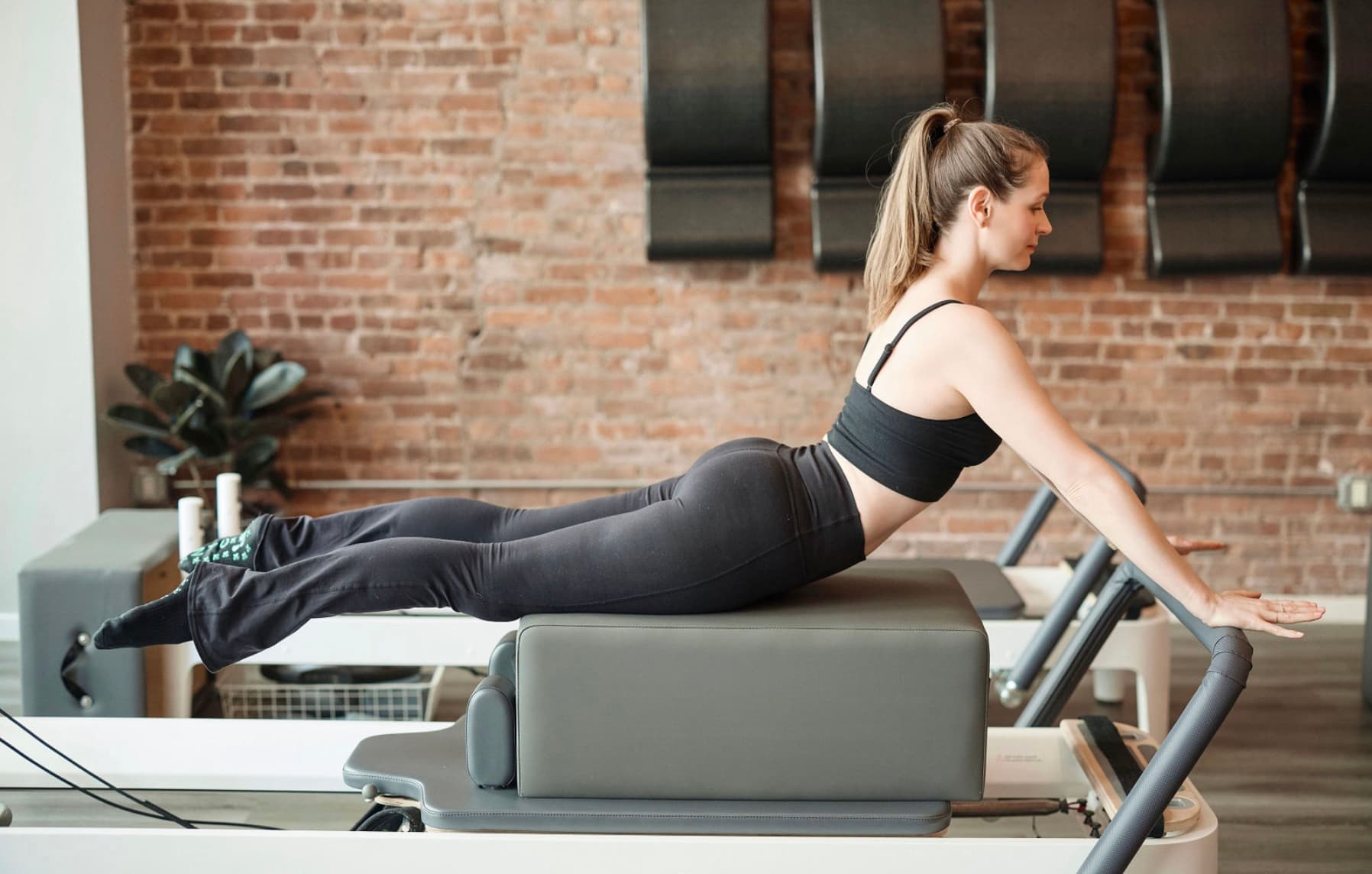
Reformer Pilates carries a slightly different answer than mat work because of the added resistance from the springs — your muscles are working harder per session, which changes the math a bit. Two to three reformer sessions a week is typically plenty to see solid results without overtraining, and it’s what most instructors, including ours, recommend as a starting cadence.
Because reformer work is more intense than mat Pilates, doing it every single day isn’t usually necessary or even advisable for most people — the extra resistance means your body needs slightly more recovery between sessions than a gentler mat-only routine would require.
What Frequency Fits Your Specific Goal?
Not everyone doing Pilates wants the same outcome, and the right frequency really does shift depending on what you’re actually training for.
If you’re focused on general wellness and stress relief, two sessions a week is genuinely enough — you’ll maintain flexibility, keep your core engaged, and get the mental reset that comes with focused, controlled movement.
If your priority is strength and visible muscle tone, three sessions a week tends to be the tipping point where change starts to feel steady rather than occasional.
If weight loss is the main driver, frequency alone won’t get you all the way there — Pilates needs to be paired with attention to overall activity level and diet — but three sessions a week, done consistently, is a solid foundation to build around.
A Sample 8-Week Ramp-Up Schedule
- Weeks 1–2: Two sessions a week, spaced a few days apart, focused purely on learning the movements and building the habit.
- Weeks 3–4: Still two sessions a week, but pay attention to how your body feels the day after — that soreness pattern tells you a lot about recovery speed.
- Weeks 5–6: If recovery feels manageable, add a third session and see how your body responds to the added volume.
- Weeks 7–8: Stay at whichever frequency felt sustainable, and start tracking specific changes — posture, strength, how your clothes fit — rather than just showing up.
- Beyond week 8: Reassess your goals. If progress has plateaued, that’s usually when it’s worth adjusting frequency, intensity, or class type rather than pushing harder at the same pace.
What Changes When You Add a Third Session
Going from two sessions a week to three isn’t just “50% more Pilates” — it actually shifts what your body does with the practice. Here’s what tends to show up once people make that jump:
- Muscle soreness after class becomes less intense, since your body adapts faster with more frequent stimulus
- Strength gains compound instead of resetting between sessions, since there’s less time for detraining in between
- Posture improvements start holding up outside of class, not just during it
- Core engagement becomes more automatic during everyday movement, like lifting or bending
- Recovery time between sessions shortens naturally as your body adjusts to the new rhythm
Common Mistakes People Make With Pilates Frequency
- Jumping straight to five or six sessions a week as a total beginner, which usually leads to burnout before results even show up
- Judging progress after a single week instead of giving the routine a full month to actually take effect
- Skipping recovery entirely and treating every session at maximum intensity, which slows adaptation rather than speeding it up
- Switching frequency constantly — two weeks at once a week, then suddenly daily — instead of picking a rhythm and sticking with it
- Ignoring how sleep, stress, and diet affect results, then blaming the Pilates schedule itself when progress feels slow
Pilates Frequency and Expected Timeline
| Frequency | First Noticeable Change | Visible Results | Best For |
|---|---|---|---|
| Once a week | 4–6 weeks | 3+ months, gradual | Maintenance, stress relief |
| Twice a week | 2–3 weeks | 2–3 months | Sustainable, well-rounded progress |
| Three times a week | 1–2 weeks | 4–6 weeks | Strength, toning, weight loss goals |
| 4–5 times a week | 1 week | 3–4 weeks | Event training, experienced practitioners |
| Daily | Days | 2–4 weeks | Advanced practitioners with proper recovery mix |
Frequently Asked Questions
How often should you do Pilates to see results?
Most people notice initial changes within two to three weeks of practicing two to three times a week, with more visible results — muscle tone, posture, strength — showing up around the two-month mark with consistent practice.
How often should I do Pilates to see results faster?
Bumping up to three or more sessions a week accelerates the timeline, often bringing visible changes within four to six weeks instead of two months, as long as you’re also allowing your body proper recovery between sessions.
Can you do Pilates every day?
Yes, since it’s low-impact, but daily practice works best when you alternate intensity — mixing more demanding reformer sessions with gentler mat work — rather than doing the same high-intensity routine every single day without any recovery built in.
How often should you do reformer Pilates specifically?
Two to three reformer sessions a week is typically the sweet spot, since the added spring resistance makes each session more demanding than mat work, and your body benefits from a bit more recovery time between classes.
Is once a week Pilates enough to make a difference?
It’s enough to maintain some benefit and stay familiar with the movements, but it’s usually too infrequent to build significant strength or see visible physical changes. If visible results matter to you, aim for at least twice a week.
How many months of Pilates does it take to really transform your body?
Most people see a meaningful, noticeable transformation somewhere between three and six months of consistent practice — typically two to three sessions a week — though everyone’s timeline varies depending on starting fitness level and consistency.
Is 2 Pilates classes a week enough to see progress?
Yes, for most goals, two classes a week is a solid, sustainable starting frequency that produces real, gradual progress — better posture, more core strength, improved flexibility — typically within the first month or two.
Ready to Build Your Own Pilates Routine?
Figuring out the “right” frequency on paper only gets you so far — the real answer comes from how your own body responds once you’re actually in class. If you’re just getting started, a private session is a great way to build a plan around your specific goals and schedule before jumping into a group routine. Whenever you’re ready, take a look at our class schedule and find a time that actually fits your week — consistency starts with picking something realistic, not perfect.